Your Gym Trainer, Nutritionist, and Therapist Just Got a Free AI Assistant
- Paul Joffe
- 1 day ago
- 5 min read
Your Gym Trainer, Nutritionist, and Therapist Just Got a Free AI Assistant
How everyday people are using AI to eat better, move smarter, stress less, and sleep more
---
What if you had someone in your corner 24/7 who knew your fitness goals, remembered your dietary restrictions, helped you calm down when anxiety spiked, and checked in on your sleep?
That used to cost thousands of dollars a month. Now it's available to anyone with a smartphone and an internet connection.
AI won't replace your doctor. But it will help you show up to your doctor's appointment actually knowing what's been going on with your body.
Here's how to put it to work.
---
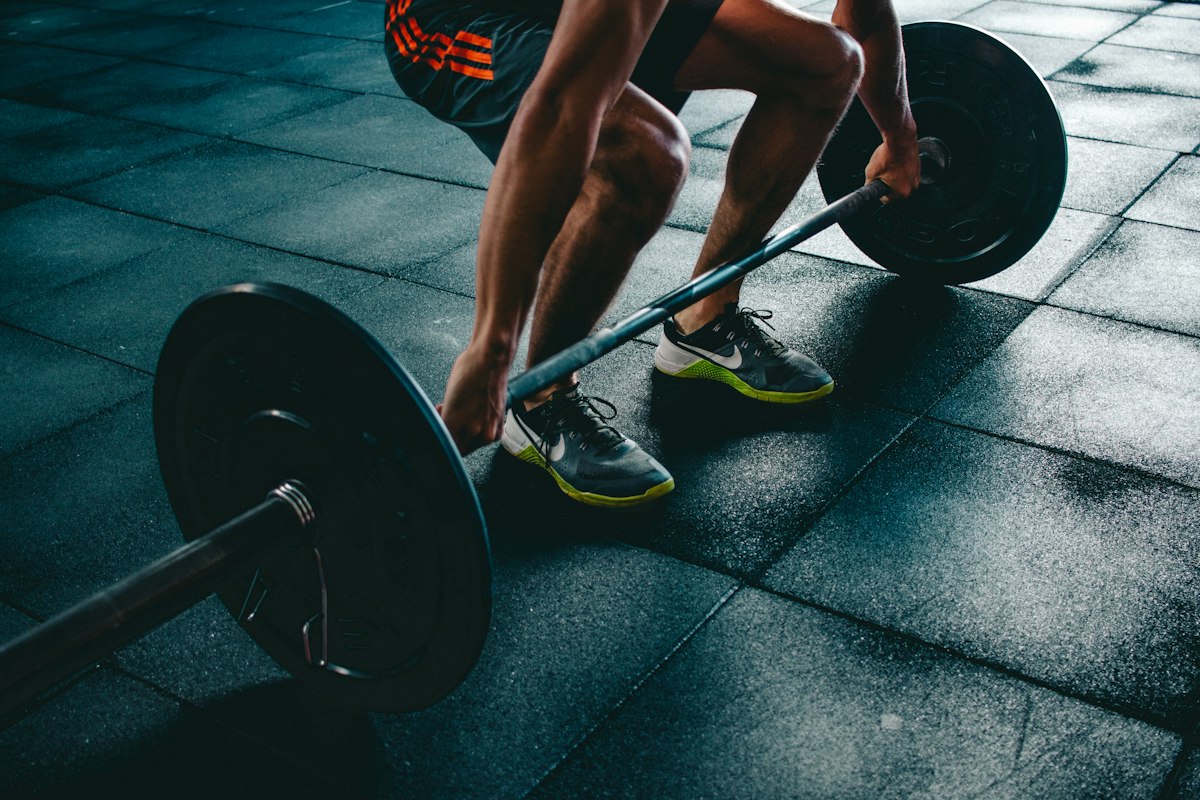
Build a Fitness Plan That's Actually Yours
Generic workout plans don't account for the fact that you have bad knees, only 30 minutes in the morning, and absolutely hate burpees.
AI does.
Open ChatGPT or Claude and say: "I want to get stronger but I have a bad lower back, I'm 50 years old, and I can only work out 3 times a week for 30 minutes. Build me a plan."
You'll get a real, personalized plan — not a generic "do 100 pushups" routine. And if something hurts or isn't working, just tell it: "This exercise bothers my shoulder. What can I replace it with?"
Update it monthly. Tell the AI what's been working, what hasn't, and ask it to adjust. This is how personal training actually works — progressive feedback and adaptation.
---
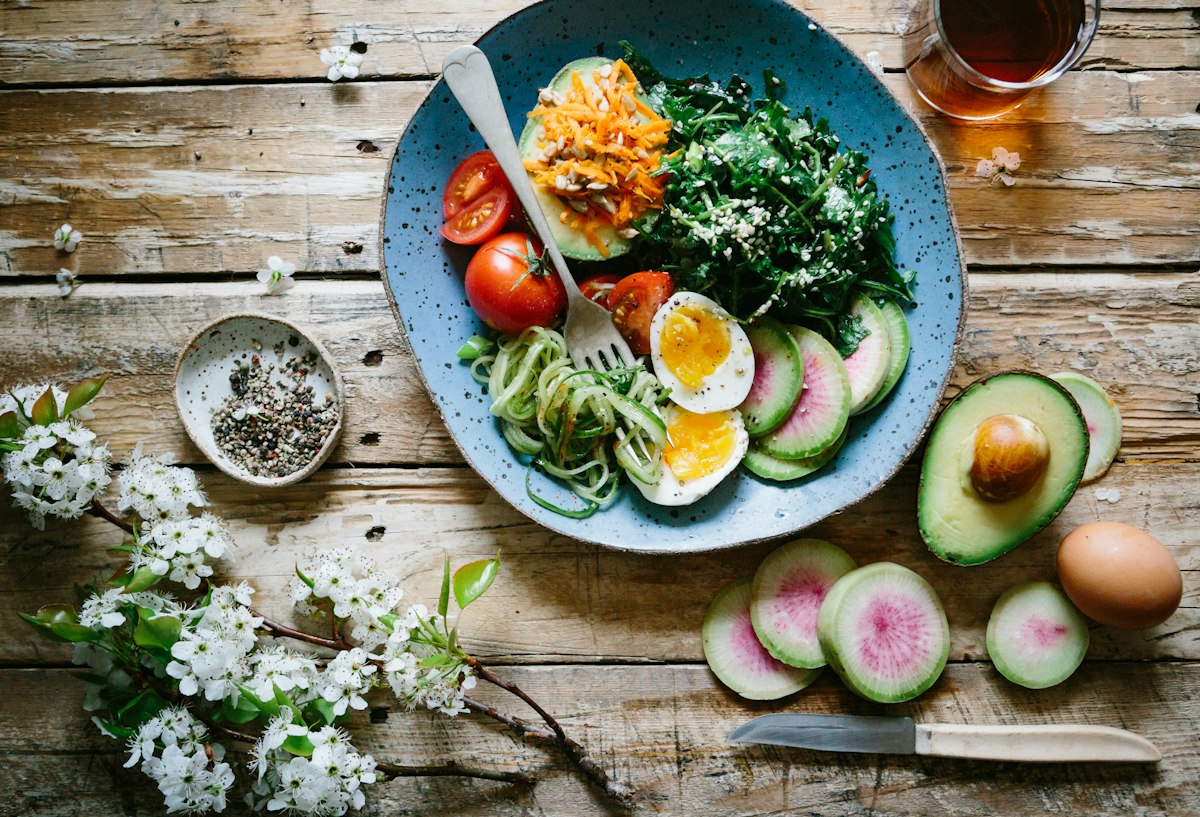
Track Nutrition Without Obsessing Over Numbers
Counting every calorie is exhausting and, for most people, unsustainable. AI can help you understand what you're eating without making it a math problem.
Try this: After a meal, describe it to an AI tool. "I had a big bowl of pasta with marinara sauce, a side salad with olive oil dressing, and a glass of red wine."
Ask it:
"What's roughly in this meal nutritionally?"
"How does this align with a Mediterranean diet?"
"What could I add or swap tomorrow to get more protein?"
You're not logging micronutrients — you're developing nutritional awareness. Over time, you'll naturally start making better choices because you understand what you're eating.
Also useful: Ask AI to suggest a week of simple meals that match your goals, dietary restrictions, and the amount of time you actually want to cook.
---
Mental Wellness: More Than Just "Meditation Apps"
Mental health is the area where AI use requires the most care — and also where it can be surprisingly powerful for everyday stress and mood management.
What AI is good at:
Walking you through breathing exercises and grounding techniques when you feel anxious
Helping you identify patterns in your thinking ("I notice I spiral when I'm tired and facing deadlines")
Providing a non-judgmental space to vent and process
Suggesting evidence-based practices like journaling prompts or CBT-style thought reframing
Try this when you're stressed: Open an AI chat and say, "I'm feeling really anxious right now. Walk me through a grounding exercise, step by step."
Most AI tools will guide you through a 5-4-3-2-1 technique or box breathing, right there in the conversation. It's surprisingly effective.
Important: AI is not therapy. If you're experiencing depression, serious anxiety, or mental health crises, please work with a professional. AI is a supplement, not a substitute.
---
Sleep Better With AI-Guided Routines
Most sleep problems aren't mysterious — they're lifestyle problems. And AI is really good at helping you identify and fix them.
Start by describing your sleep situation: "I fall asleep fine but wake up at 3am and can't get back to sleep. I drink coffee until 3pm and I look at my phone in bed. What should I try?"
You'll get a practical, personalized breakdown of what's likely hurting your sleep and what to change — drawn from actual sleep science, explained in plain language.
AI can also help you build a sleep routine:
A consistent wind-down schedule (dim lights at 9pm, no screens after 10pm, etc.)
A pre-bed journaling practice to offload tomorrow's worries
A morning routine that reinforces good sleep timing
Small changes, consistently applied, make a huge difference. AI helps you figure out which changes to make for you.
---
A Simple Weekly Health Check-In With AI
Once a week, open an AI tool and do a 5-minute health review:
1. "Here's how my workouts went this week: [describe]. Am I on track?"
2. "I ate mostly [describe] this week. Any patterns I should be aware of?"
3. "My stress level was [low/medium/high] this week because [reason]. What should I do differently?"
4. "I averaged [X] hours of sleep. Is that enough and how can I improve?"
It's like having a health coach available whenever you need one — without the $200/hour price tag.
---
The Best AI Tools for Health & Wellness Right Now
**ChatGPT** — Excellent for fitness plans, meal suggestions, and wellness conversations
**Claude** — Great for nuanced mental health discussions and thoughtful guidance
**MyFitnessPal + AI features** — For those who do want to track calories, AI features help explain your data
**Oura Ring + AI** — If you have wearable data, AI can help you interpret it
**Calm / Headspace** — Traditional meditation apps still valuable alongside AI tools
Start with free tools. Only pay for apps that genuinely add to your routine.
---
A Note on Accuracy
AI tools are trained on a lot of health information — but they're not infallible. Always:
Tell your doctor about major changes to your diet or exercise routine
Don't use AI to diagnose symptoms
Cross-check any specific medical information with trusted sources
Used wisely, AI is a powerful wellness ally. Used carelessly, it's just another source of misinformation. The difference is how you approach it.
---
The Bottom Line
You don't need a gym membership, a personal trainer, a nutritionist, or a therapist to start improving your health. You need consistent small actions, honest self-reflection, and a thinking partner who never runs out of patience.
That's what AI is for your wellness journey. It's available at 6am when you're deciding whether to work out. It's there at midnight when anxiety is keeping you up. It'll help you figure out what to eat when you have 20 minutes and no inspiration.
Start small. One area. One conversation. See where it takes you.
---
Want more practical AI tips for everyday life? Check out "Tap In" by Paul Joffe — a no-jargon guide to using AI in 25 areas of your life. Available on Amazon: https://a.co/d/03u9b9gm
---
Tags: health, wellness, fitness, AI tools, mental health, nutrition, sleep
SEO Keywords: AI for health and wellness, AI personal trainer, AI nutrition tracking, AI mental wellness, AI sleep optimization, personalized fitness plan AI, ChatGPT fitness plan, AI health coach free, AI for weight loss, AI mental health support

Comments