
How to Use AI to Build Your Weekly Plan Before Monday Hits
Sunday evening sneaks up on us. One minute you're trying to relax, and the next you're thinking about the meals you haven't planned, the emails you forgot to answer, the errands you need to run, the workout you keep promising yourself, and the learning goal you haven't touched. By the time Monday arrives, you're already behind.
The old way was to keep all of this in your head, maybe scribble a few notes, then hope you remembered everything when the week got busy. A better move is to let AI build you a personalized weekly game plan. Not a generic productivity template. A plan based on your real life.
This is what people mean when they talk about agentic AI right now. That sounds fancy, but it just means AI can help you turn a pile of inputs into useful action. Think of it like a free chief of staff for your week.
You can do this with ChatGPT, Claude, or Gemini. If you want live web lookups for restaurants, store hours, prices, or current information, use Perplexity for the follow-up questions.
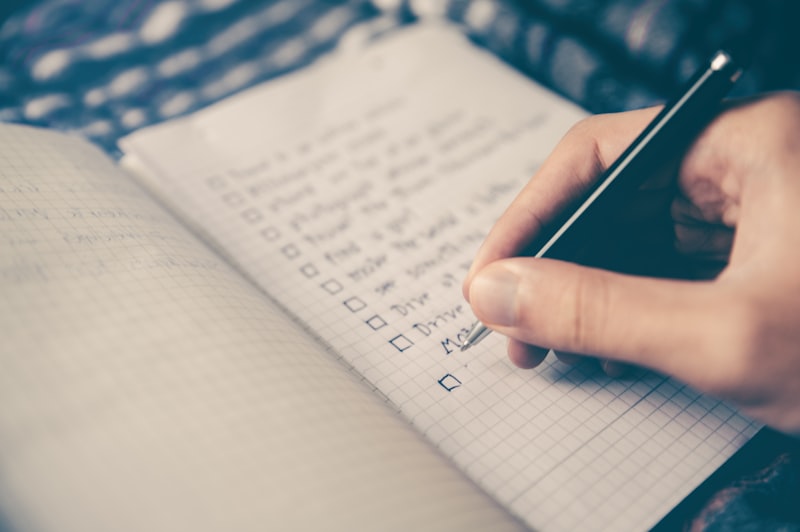
Step 1: Gather the Inputs You Already Have
You do not need a complicated system. Just collect the basics you already know:
your calendar appointments for the week
your top 3 personal or work priorities
meals or grocery needs
errands and family logistics
any workouts or health goals
anything you want to learn, finish, or remember
That alone is enough. The magic is not in more data. It's in asking AI to organize it in a way your brain can actually use.
Step 2: Paste This Prompt
"I want you to act like my weekly planning assistant. Here is what I have going on this week: [paste calendar items, priorities, errands, meals, workouts, learning goals, and any constraints]. Build me a realistic weekly plan that includes: 1) my top priorities in order, 2) the best days and times to handle them, 3) a simple meal and grocery plan, 4) a short workout or health plan that fits my schedule, 5) reminders for anything I might forget, and 6) the biggest stress points or conflicts you see, with suggestions to reduce them. Keep it practical, not aspirational. Assume I am busy and want the simplest useful version."
That last line matters. Keep it practical, not aspirational. If you don't say that, AI loves to give you a fantasy week instead of your actual one.
Step 3: Ask for the Version You’ll Actually Follow
Once AI gives you the first plan, keep going. This is where personalization happens.
"Now simplify this even more. Show me the minimum version of this week that still moves my life forward. Then give me a Monday plan, a grocery list, and a short nightly reset routine."
You can also ask:
Which 2 things should I definitely not skip this week?
Where am I likely to get overloaded?
What can I batch together to save time?
What should I prep on Sunday so Monday feels easier?
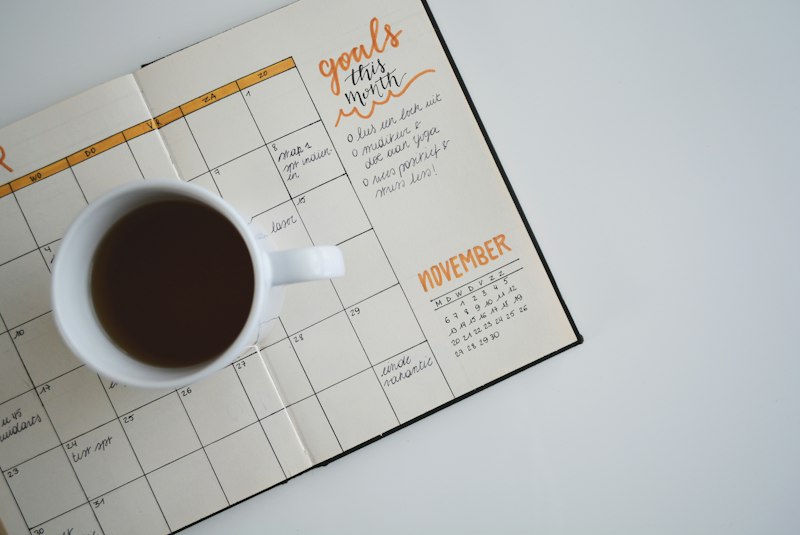
What the AI Response Might Look Like
Example AI response: "Your biggest risk this week is stacking too many high-energy tasks on Monday and Tuesday. Move grocery shopping to Tuesday evening, prep lunches Sunday night, and keep Wednesday lighter. Your top 3 priorities are client follow-up, budget review, and workout consistency. Monday morning: send the client email before 10 a.m. Monday lunch: order groceries. Sunday night reset: lay out workout clothes, choose 3 dinner options, and write down tomorrow's first task before bed."
That is the power here. You stop staring at a chaotic week and start seeing a plan with shape.
Beyond the Quick Solve
Once you've built your weekly planning system, AI can personalize other parts of your life too:
turn your meal ideas into a grocery list in minutes
build a simple workout plan around your real schedule
compare bills or subscriptions before the week starts
turn saved YouTube videos into a study guide for the week
draft emails, follow-ups, and meeting prep before Monday morning
That is where AI starts to feel less like a toy and more like a real-life assistant.
Savings
Money
A better week plan can save real money. Fewer takeout meals, fewer forgotten fees, fewer last-minute store runs, fewer impulse purchases caused by chaos. Even saving $10 to $20 a day adds up quickly.
Time
What used to take an hour of decision fatigue can take 10 to 15 minutes with the right prompt. That is time you get back before the week even starts.
Headaches
This may be the biggest win. You stop carrying your whole week around in your head. The pressure drops. Monday feels lighter because you already decided what matters.
The Tap In Takeaway
You do not need a perfect system. You need a personal system. That is what AI is getting really good at right now, helping you turn general advice into something shaped around your actual life. If you give it the right inputs, it can help you walk into the week with clarity instead of clutter.
If you want more practical ways to use AI in everyday life, grab Tap In on Amazon. It's built for real people, real schedules, and real life.



Comments