
Beyond Chatbots: How AI Systems Make Your Smart Home Smarter (and Your Life Easier)
We hear “AI” everywhere, and it’s easy to picture a chatbot or something abstract and far away from daily life. But the real power of AI is often much quieter. It’s already helping your smart home, your health tools, and even your commute work better behind the scenes.
It’s not one giant AI brain. It’s a system of smaller tools working together to make life easier.
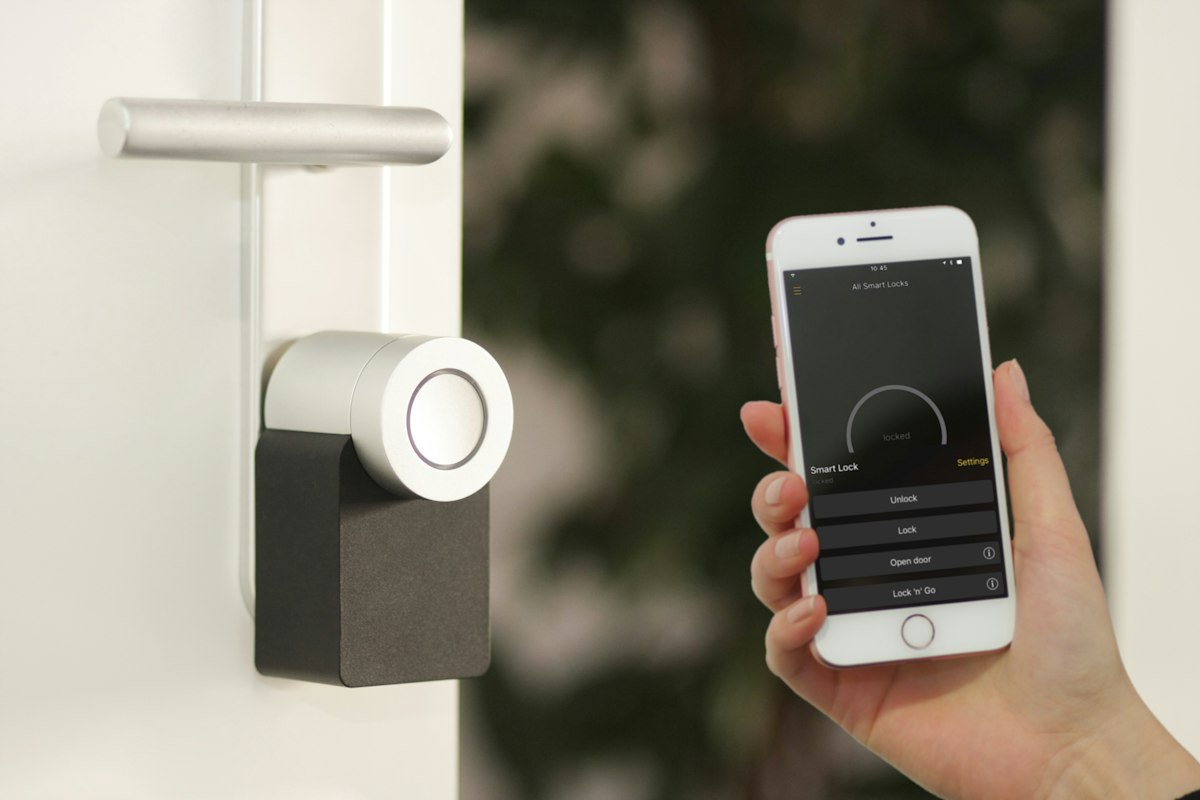
Let AI Orchestrate Your Morning Routine
Imagine this:
your lights slowly brighten
your coffee starts brewing
your news playlist begins playing
your thermostat adjusts before you get out of bed
Instead of manually building that across several apps, you can ask an AI tool to help you design the routine.
Try a prompt like this:
"As my smart home orchestrator, create a morning routine for me. At 6:30 AM, gradually increase my bedroom lights to 70% brightness. At 6:45 AM, start my smart coffee maker and begin playing my Morning News playlist through my speaker. My setup includes Philips Hue lights, a Keurig smart coffee maker, and a Sonos speaker. Confirm the routine and suggest any improvements."
That gives you a practical starting point and often surfaces one or two extra ideas you would not have thought of.

AI Systems Are Already Everywhere
This same idea shows up in a lot of everyday life:
**Health and fitness apps** combine wearable data, habits, and coaching logic to guide workouts and recovery
**Navigation apps** analyze traffic, weather, and accidents to route you faster
**Shopping tools** compare behavior and preferences to recommend useful products and surface deals
What feels simple on the front end is usually several AI systems working together in the background.
What You Save
Money
Smarter thermostats, better energy timing, and more efficient shopping decisions can reduce waste and save money over time.
Time
Automating small routines and getting better recommendations frees up minutes every day, and those minutes add up.
Headaches
You spend less time juggling apps, making repetitive decisions, and manually adjusting everything.
The Tap In Takeaway
AI is not just a futuristic concept. It is already woven into ordinary life through systems that quietly reduce friction.
The opportunity is not just to use one tool. It is to understand how these systems can work together for you.
For more practical AI tips, check out Tap In by Paul Joffe:



Comments